Active ground floor uses
Buildings should provide a ground floor use that is active throughout the day and night
Why is this important?
Streets should feel safe to all users, especially for the most vulnerable using streets after dark. Buildings play an active role in providing natural surveillance to streets and ensuring there are the necessary people and eyes on the street to feel safe
Recommended Best Practice
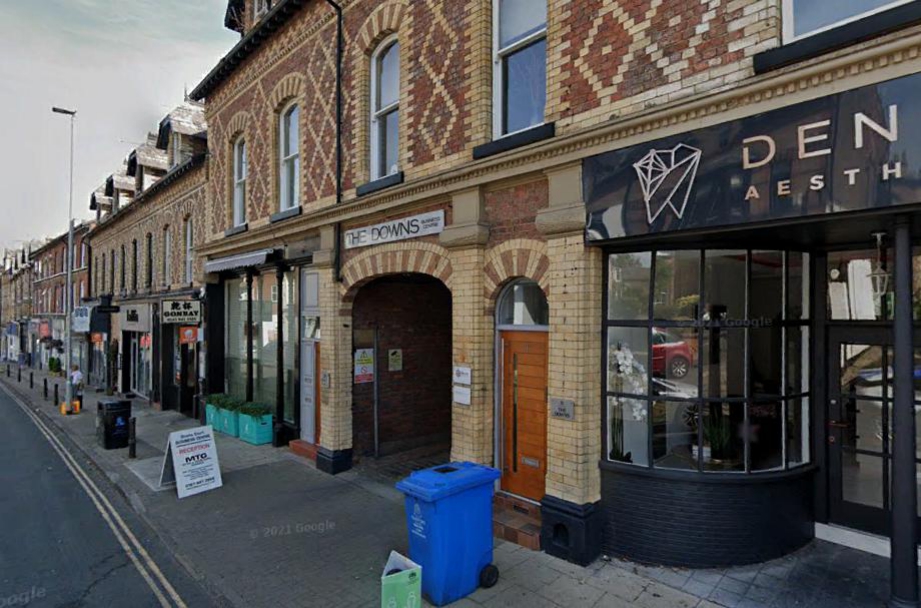
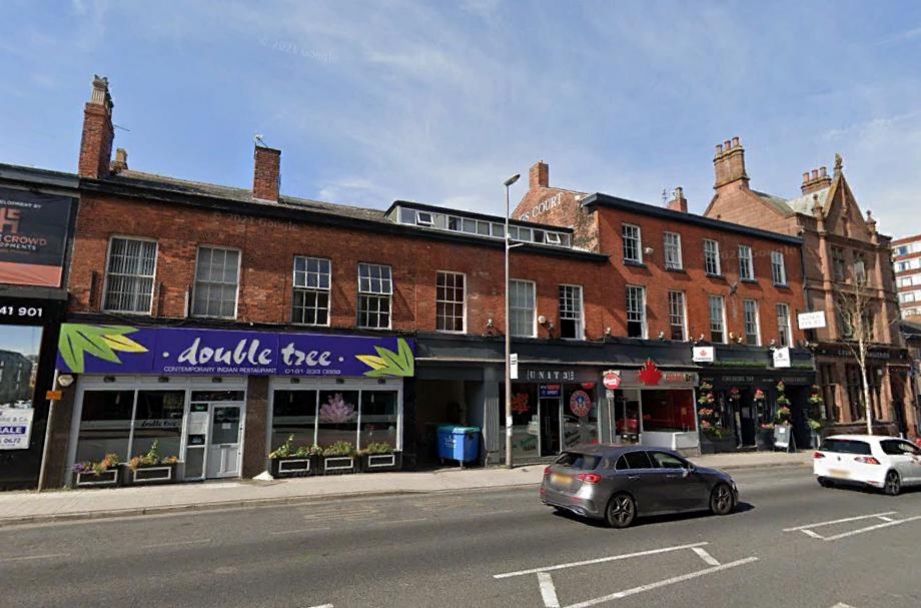
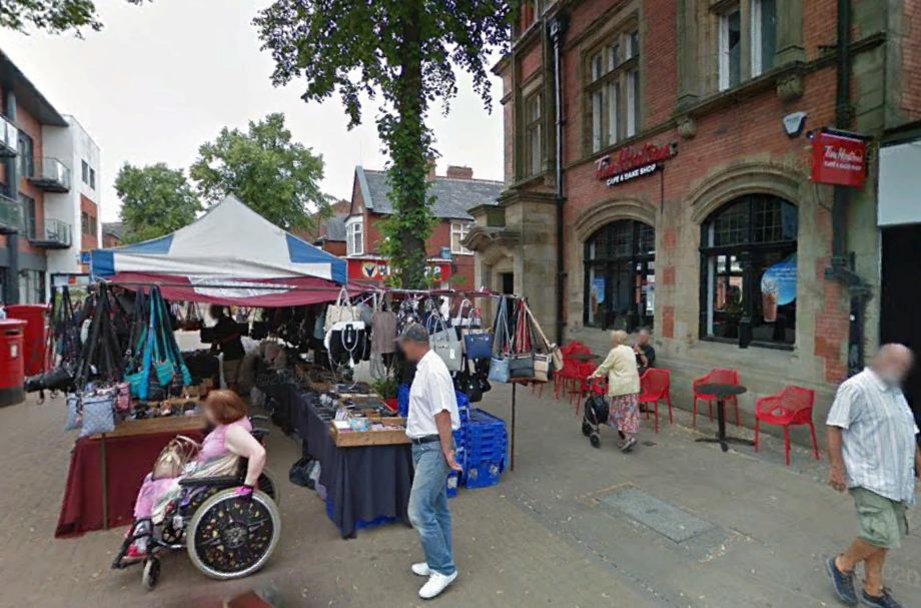
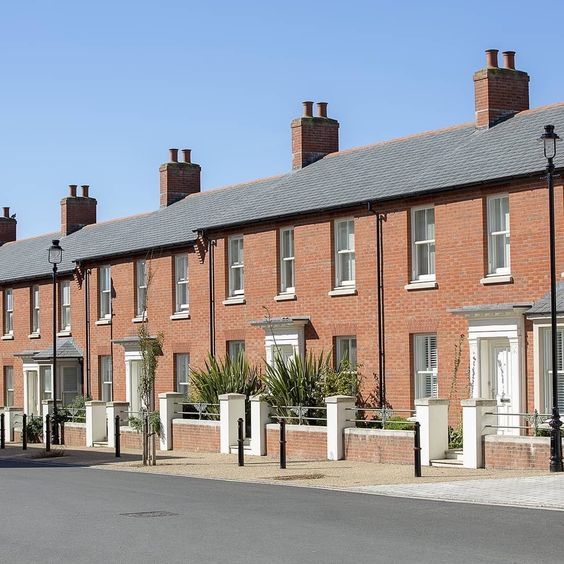
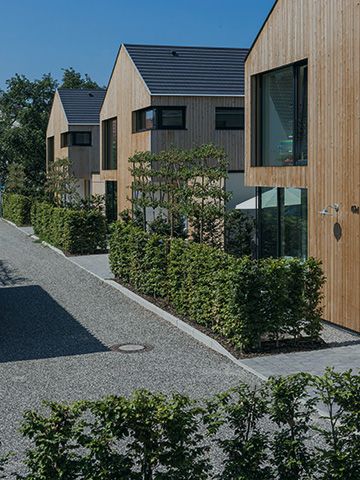
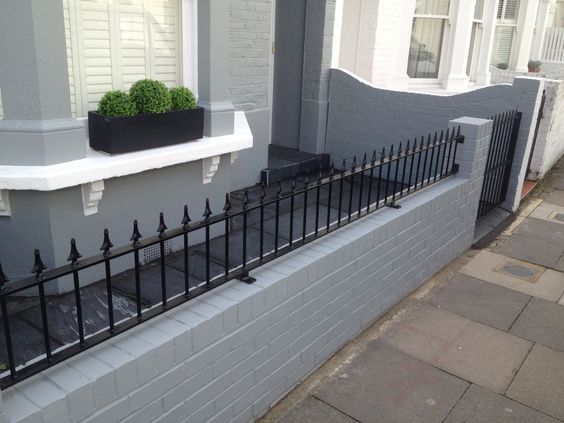
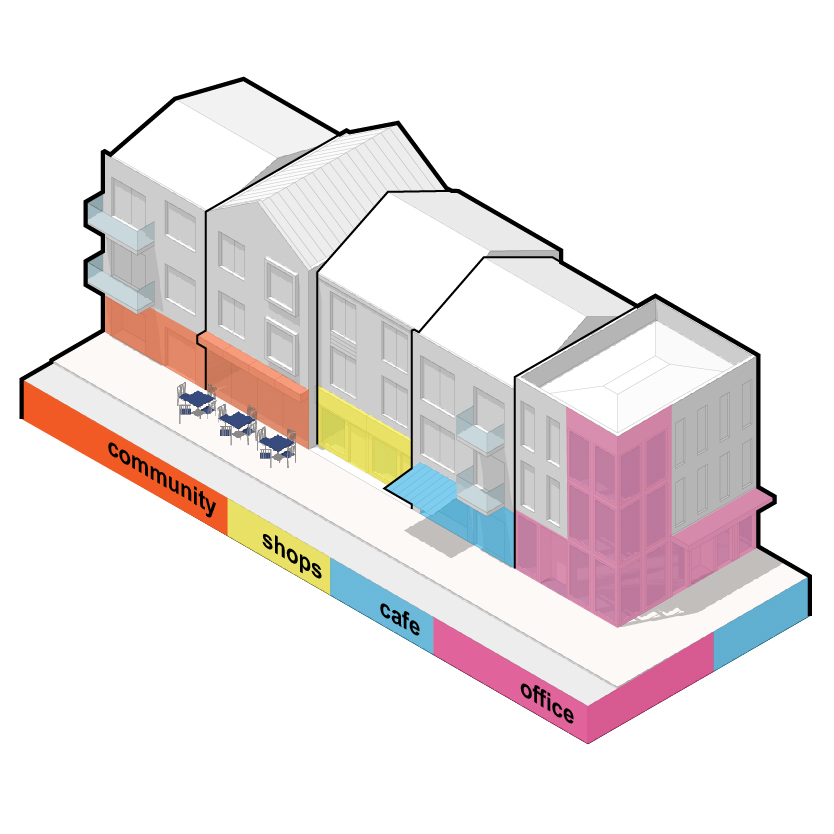
Refers to street frontages where there is an active visual engagement between those in the street and those on the ground and upper floors of buildings. This quality is assisted where the front facade of buildings, including the main entrance, faces and opens towards the street. Ground floors may accommodate uses such as cafes, shops or restaurants. However, for a frontage to be active, it does not necessarily need to be a retail use, nor have continuous windows. A building's upper floor windows and balconies may also contribute to the level of active frontage. Active frontages can provide informal surveillance opportunities and often improve the vitality and safety of an area. The measures of active frontage may be graded from high to low activity.
National Objectives addressed
- Increasing social interaction in streets and spaces
- Creating active and overlooked safe streets
- https://www.securedbydesign.com/
- https://designforsecurity.org/
- https://nbcc.police.uk/guidance/secured-by-design
- https://www.essexdesignguide.co.uk/supplementary-guidance/secured-by-design/
Model diagram
Additional diagrams
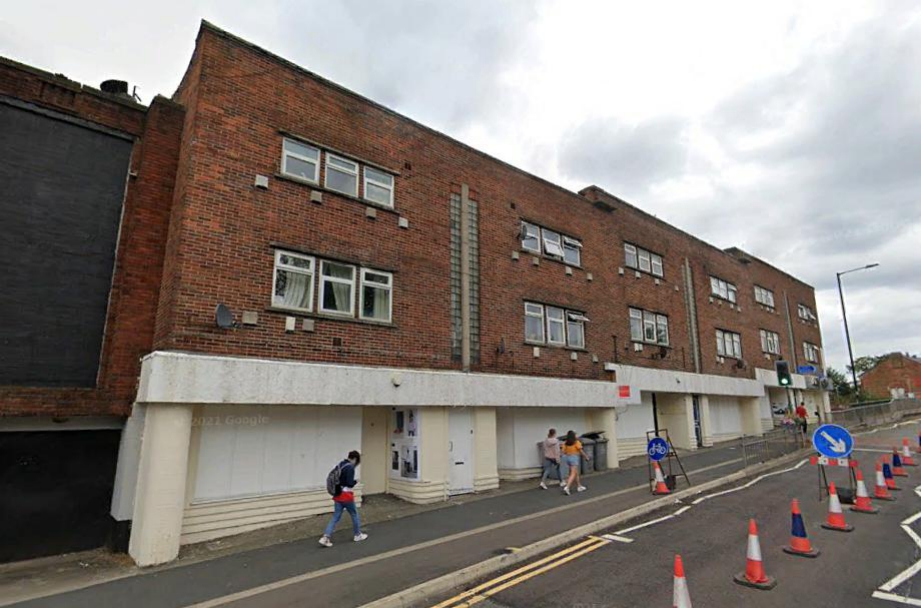
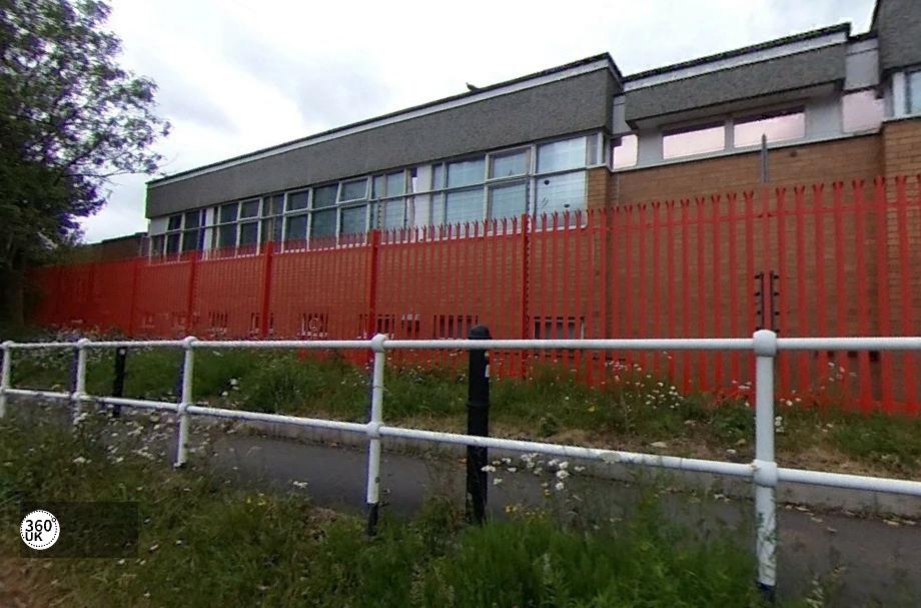
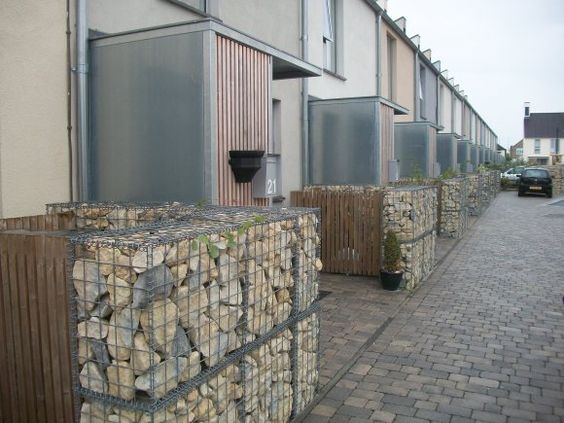
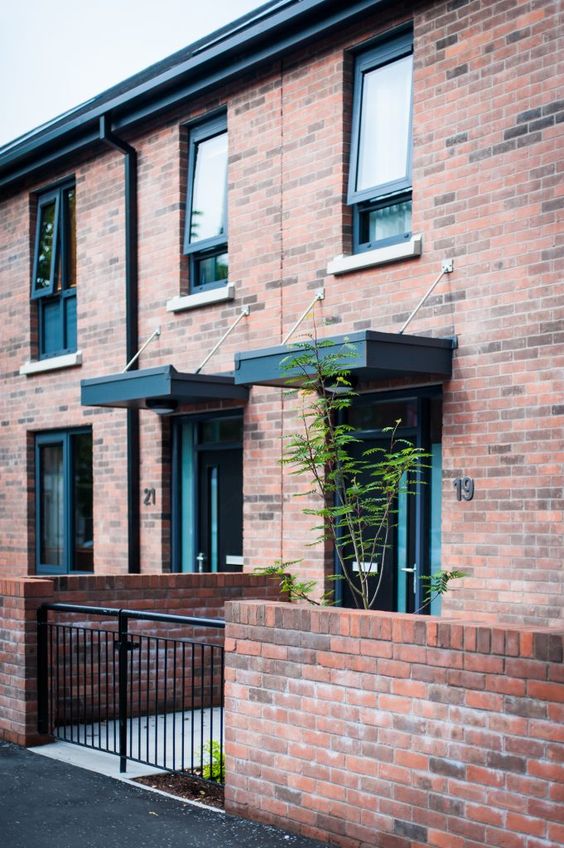
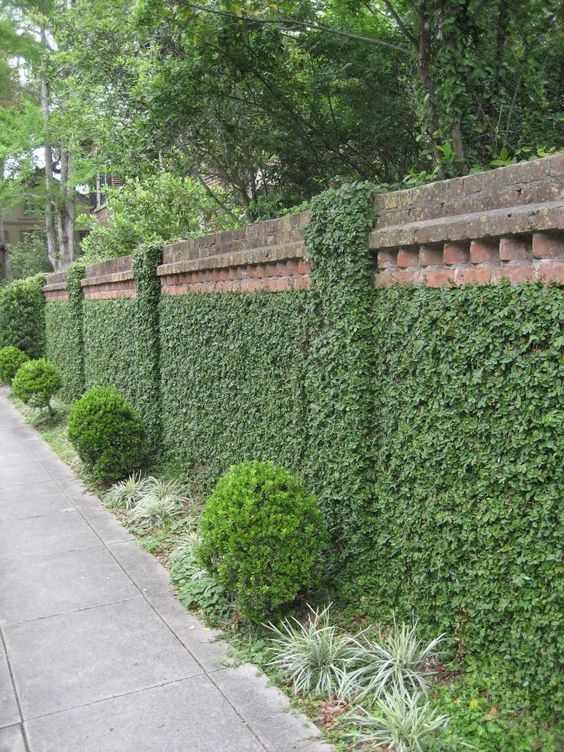
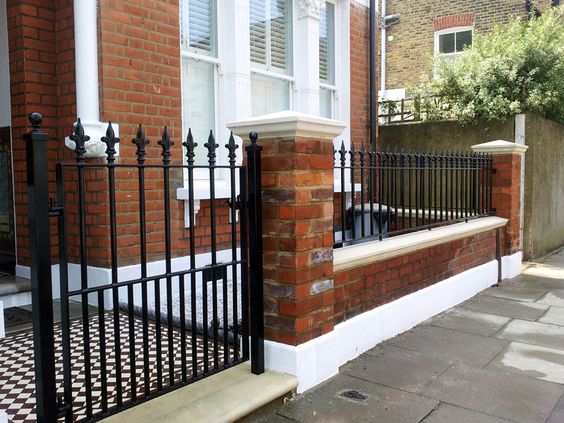
Successful examples of this guidance in practice